Table Of Content

Alaska cruises offer a wide range of activities in port, with options for active travelers, wildlife lovers, history buffs and shoppers. Whether you're traveling with young kids or require more sedentary recreation, the Alaska cruise ports won't disappoint. Finally, you'll find some round-trip San Francisco itineraries — usually 10 or 11 nights long — as well as longer sailings between San Francisco and Vancouver. Just remember our earlier reminder that you are visiting the world’s largest temperate rainforest and enjoy the lush greenery. Yes, many tour operators continue to offer day trips and excursions throughout September, including boat tours, fishing trips, and wildlife viewing excursions. However, some services may start to reduce their availability towards the end of the month, so it’s best to check in advance.
Lowering the Vaccination Threshold: CDC’s Adjustment for Cruise Ships
Because of the fine Alaska weather in late June, it’s an excellent time to plan a cruise tour to Denali. The roads are open, days long and dry, and there’s an increased chance of seeing active wildlife. On average, Anchorage and other Southcentral destinations receive about 15 hours of daylight. If we move further north, Fairbanks and Denali have around 17 hours of daylight depending on how far north you go. In the Arctic Circle, September marks the beginning of the polar night – that period of continuous darkness when the sun does not rise above the horizon.
Alaska Cruise Weather by Month
As your ship reaches the Inside Passage, the early morning views outside of your room are breathtaking. Since I grew up in Alaska, I’m a fan of just about everything in the Land of the Midnight Sun. I also know that your experience can vary widely depending on the month you choose to visit Alaska. However, being prepared and knowing what to expect can make a significant difference in how enjoyable and smooth your trip will be. Travelers should prepare for a wide range of conditions, from rainforests’ dampness in the Southeast to the frigid nights of the North. This gradual decrease in daylight not only affects the temperature but also plays a significant role in outdoor planning and activities.
Shoulder Season Pricing
These changes have significant implications for the cruise industry. While cases continue to be present on cruise ships, the industry is adapting to coexist with the virus. Testing and vaccine requirements are unique to cruising, and there may be a possibility of relaxing pre-boarding testing in the future.
What is the best time to cruise Alaska?
Remember to pack enough clothing or budget for laundry, especially on longer voyages. Opt for eco-friendly excursions, respect local wildlife, reduce waste, and support local businesses during port stops. As we dock at the end of our comprehensive guide to cruising Alaska in September, it’s worth pausing to reflect on the unique journey you’re about to undertake or have just experienced. Alaska’s weather in September can be a blend of late summer warmth and early autumn chill, so being prepared is key.
Testing the Waters with Dori: Late Season Alaska Cruising - Travel Market Report
Testing the Waters with Dori: Late Season Alaska Cruising.
Posted: Mon, 16 Oct 2023 07:00:00 GMT [source]
I have some interesting news to share with you about cruise ship safety during the COVID-19 pandemic. There is currently no definite indication of the testing requirement ending for cruises from the US. The cruise industry is adapting to live with the virus, but safety concerns for cruise passengers remain. Yes, some cruise lines outside the US have relaxed their pre-boarding testing requirements.
The best time to cruise Alaska - The Points Guy
The best time to cruise Alaska.
Posted: Wed, 11 Oct 2023 07:00:00 GMT [source]
When to book an Alaska cruise
While these are general averages, it is important to note that weather patterns can vary. It is advisable to check the weather forecast before planning any outdoor activities. Wildlife sightings, including whales, bears, and eagles, are common during this time of year, adding to the allure of exploring the outdoors in Alaska. Understanding the rainfall patterns and relying on reliable weather forecasts can help travelers make informed decisions and adapt to the changing weather conditions. In September, Alaska experiences varying levels of rainfall, which can have a significant impact on the weather conditions during a cruise.
Local Culture and Events
These ships often feature complimentary shore excursions, kayaks and bikes for guest use and onboard scientists and naturalists. The peak season to view the Northern Lights or Aurora Borealis is between late August and late April, which unfortunately doesn’t overlap much with the Alaskan cruise season. If the Northern Lights experience is high on your Alaska bucket list, consider a September cruise with more dark nighttime hours and increased solar activity. You’ve got about a 50/50 chance of getting rained or snowed on during excursions. You’ll be very happy if you purchase a quality raincoat and pack clothing you can add or remove in layers. Many cruise lines also have limited early cruise ships departing for Alaska in April.
Can I still see glaciers during an Alaska cruise from May to July?
Upon boarding, you’ll receive a card linked to your onboard account, which you use for all purchases. At the end of your cruise, you can settle your account with cash or a credit card. Most ships offer laundry services for a fee, and some even have self-service laundrettes.
Most Alaska itineraries include some "scenic cruising," where your ship sails past incredible natural sights. Icy Strait Point is notable among Alaska cruise ports because the area and its attractions are all Native Alaskan-owned. Most port and tour staff hail from Hoonah, Alaska's largest Tlingit village. The port is set on Chichagof Island, which is known for its large bear population. Wildlife lovers have plenty of opportunities to search for whales and eagles here; adventure-seekers won't want to miss the ZipRider, with its course of six zip lines.
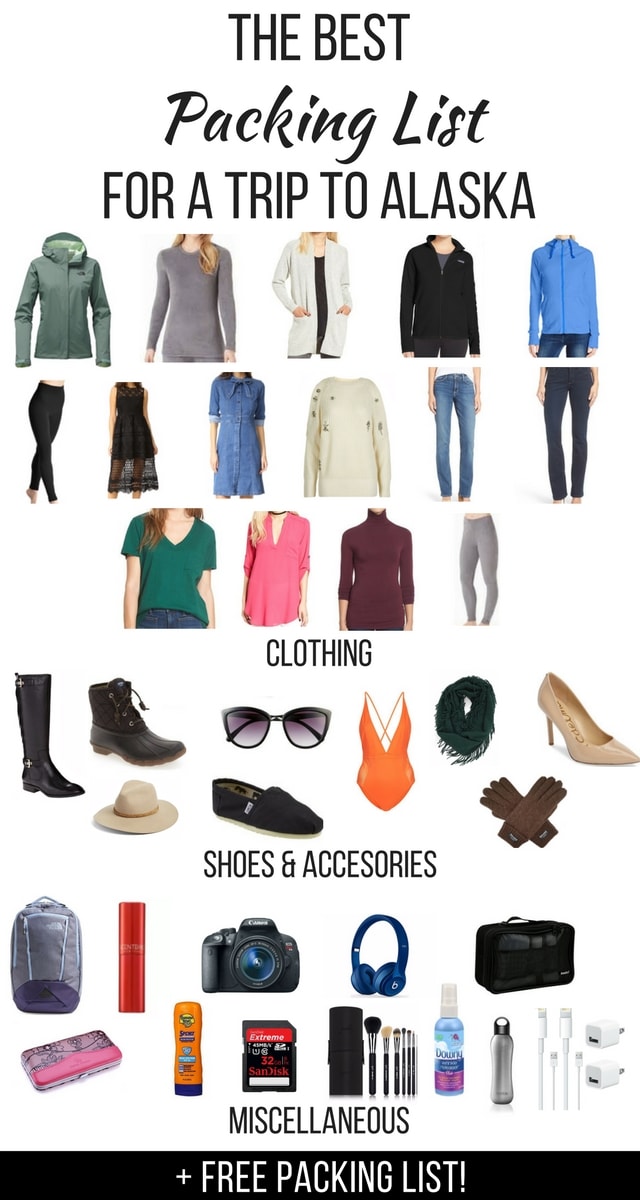
Alaska cruise weather can be chilly (in the 40s to 50s) first thing in the morning and at night. However, if it's a sunny summer day, temperatures can shoot into the 70s and even low 80s. It also rains a lot in Alaska; it's drier in the spring than in the summer. It's easier than fumbling with multiple train, bus, ferry and hotel reservations to cobble together the same trip on your own.
The farther in advance you can book your Alaskan cruise, the more options you will have for cruise dates, itineraries, and cabin amenities. The warmer the weather, the better your chance to view a once-in-a-lifetime occurrence called “calving.” This is when a large chunk of the glacier separates in a giant icy landslide. July and August are considered peak seasons to cruise to Alaska for good reason. These are the months when all good things combine to create the optimal Alaskan experience. As the month progresses, temperatures rise slightly, and daylight hours increase. Just expect cooler weather, fewer wildlife viewing opportunities, and less active ports with some shops that are still shuttered.
Warmer weather in Alaska also has an unexpected bonus for cruisers in the form of glacial calving. You also might see fuzzy harbor seal pups and sea lion pups (born in June and July) warming themselves on rocks with their mothers. Add high-powered binoculars to your Alaska packing list to ensure that you get to see all of the wildlife possible. Juneau gets about 17 days of rain in August, so a high-quality raincoat is essential.
Coastal areas, such as Juneau and Ketchikan, receive higher amounts of rainfall compared to interior regions like Fairbanks. On average, September sees around 2.5 to 5 inches of rainfall in coastal areas, while interior locations receive about 1 to 2 inches. The average temperature in September in Alaska is around 50 degrees Fahrenheit. In terms of clothing options, it is important to pack layers for your cruise. The weather can vary throughout the day, so having the ability to add or remove layers will help you stay comfortable. The beauty of the land and its immense history; the thrill of seeing bears, moose and bald eagles; and the mysteries of the surrounding marine life will astound you.
So grab your gear, lace up your shoes, and prepare to dive into the ultimate sporting extravaganza in beautiful Sitka. Some attractions and shops will be closed for winter, though your cruise line will still operate a full roster of shore excursions. On the plus side, you will experience southeast Alaska towns as they are most of the year, sans tourist crowds. Sit in a bar and talk to the locals as they prepare for the long winter ahead. National park facilities and some tourist businesses will switch to winter hours. September is also a great time to get deals on souvenirs, as merchants sell off this year's goods at the end of Alaska's tourist season.
Despite the potential for cooler temperatures and precipitation, the stunning natural beauty and wildlife sightings make it worth venturing outside. It is important to be prepared with appropriate clothing and gear, as well as being aware of any outdoor activities restrictions that may be in place. September marks the transition into fall, with temperatures starting to cool down. Average temperatures range from 40°F to 60°F (4°C to 15°C), but it’s not uncommon for temperatures to drop even lower, especially in the evenings.


No comments:
Post a Comment